

 All Products


Introduction to Rocker Switch
 May 12, 2025
 537
537Catalog
What is Rocker Switch?Rocker Switches: Functionality and UsesCommon ApplicationsHow Rocker Switches WorkSwitch TypesConclusionFrequently Ask QuestionsRelated Articles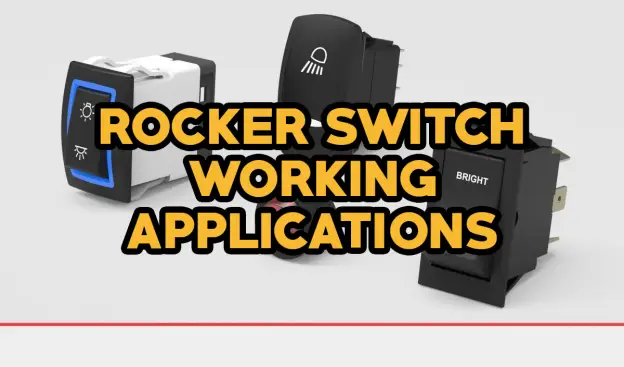
What is Rocker Switch
Electrical rocker switches control the flow of electricity by tilting in one direction or the other, offering a straightforward and user-friendly method for managing electrical devices. These compact and convenient switches are frequently used in household gadgets, automotive systems, and industrial machinery. Typically designed with broad, flat actuators for easy handling, their recognizable shape makes them well-suited for settings where fast and dependable switching is essential. As a crucial element in today’s electrical infrastructure, rocker switches are widely utilized across multiple sectors. This in-depth guide delves into their fundamental working mechanisms, the different variants available, and the broad range of uses they support. Additionally, you’ll find comparisons like CR1220 vs CR1225 and CR2450 vs CR2302 included for further insight.
What is Rocker Switch?
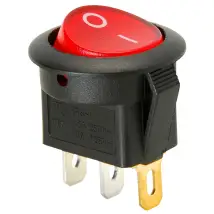
Rocker Switch
Rocker Switches: Functionality and Uses
Rocker switches manage electrical current by pivoting a lever from one side to the other. Pressing a rectangular or oval button causes the internal contacts to either complete or break a circuit. When one side of the actuator is pushed, the opposite side lifts, toggling the device between its two states. Due to their straightforward operation, rocker switches are widely utilized to control various types of equipment. Many models include a light-up strip to clearly indicate whether the switch is in the "on" or "off" position, enhancing user awareness.
Available in both momentary and latching (maintained) types, rocker switches are produced in a wide range of styles and specifications. You’ll commonly find them in kitchen appliances like coffee machines and toasters, as well as in automotive dashboards and industrial tools. Known for being sturdy, compact, and easy to install, they’re a go-to option for many electrical applications. Additionally, rocker switches are offered in a variety of finishes and color options, allowing them to be customized to match both functional and aesthetic design requirements.
Common Applications
Thanks to their reliability, ease of operation, and visual appeal, rocker switches are ideal for many everyday and specialized uses. Below are some typical applications:
Home Appliances
Rocker switches are frequently built into home appliances such as fans, toasters, hairdryers, and coffee makers. They allow users to control power with a single press. These switches often come with built-in illumination to indicate when the device is powered, offering immediate visual feedback. Because they’re built to last, they can handle frequent use, making them suitable for devices operated daily. Their small footprint also means they can be integrated into appliance designs without disrupting the overall look.
Automotive Use
In vehicles, rocker switches are used to manage features like headlights, window controls, and windshield wipers. Their rugged construction allows them to resist vibrations and temperature changes. Many automotive-grade rocker switches are moisture-resistant, making them dependable even in wet conditions. Drivers benefit from the tactile feedback these switches provide, helping them operate key functions without losing focus, thus improving safety.
Industrial Machinery
In industrial settings, machines often rely on rocker switches for dependable performance. They're commonly placed on control panels of heavy equipment, enabling operators to manage systems efficiently. Industrial environments involve exposure to heat, dust, and moisture, and rocker switches are built to withstand these challenges. Facilities like factories and construction zones benefit from their tough construction and intuitive interface, which helps minimize operational errors.
Marine Equipment
On boats and marine vehicles, rocker switches are used to control lights, bilge pumps, and other onboard electronics. Designed to resist water ingress and salt exposure, these switches can withstand challenging marine environments. Their ergonomic shape allows easy operation even in rough conditions. Illuminated versions help ensure visibility during night-time navigation or in low-light conditions. Their reliability and longevity make them a preferred choice for marine manufacturers.
Outdoor and Garden Tools
Garden tools and outdoor systems—such as power equipment, lighting, and lawnmowers—often rely on rocker switches for quick control. Built to resist moisture and outdoor exposure, they allow users to turn devices on or off quickly and intuitively. Many outdoor switches are illuminated, which makes them easy to locate and use in the early morning or late evening.
Furniture and Interior Design
Rocker switches are increasingly being integrated into modern furniture and home decor elements. Whether built into a lamp or a custom lighting fixture, they add a sleek, contemporary look while maintaining functionality. Users can easily toggle lights or devices with a gentle press. Their minimalist appearance and customizable finishes allow seamless blending into stylish home environments.
Consumer Electronics
Electronics such as computers, audio systems, and gaming consoles also feature rocker switches. These are ideal for power toggling or function selection due to their precise control and tactile response. Their compact design allows integration into slim and modern devices, while still delivering durability and consistent performance even with frequent usage.
Medical Devices
Rocker switches are trusted in the medical field for their precision and reliability. Common uses include adjusting hospital beds, operating imaging devices, and managing patient monitoring systems. These switches are designed to meet strict durability and hygiene standards and are user-friendly for healthcare professionals, which improves efficiency and patient care.
How Rocker Switches Work
Rocker switches operate through a simple mechanical action. Pressing the actuator rocks the switch internally, which opens or closes an electrical circuit.
Key Components
- Actuator: The visible surface, often rectangular or oval, that the user presses.
- Base: Houses the internal mechanics and contact points.
- Electrical Contacts: Metal conductors that open or close the circuit.
- Spring Mechanism: Resets the actuator after being pressed.
Operation Steps
- Actuation: Pressing down on one end causes the actuator to tilt, which is different from push-button or toggle switches.
- Contact Engagement: As it rocks, internal contacts either connect or disconnect.
- ON: When pressed, the circuit is completed, allowing current to flow.
- OFF: The spring pushes the actuator back, breaking the circuit.
Switch Types
- SPST (Single-Pole Single-Throw): Simple on/off functionality.
- SPDT (Single-Pole Double-Throw): Routes current between two different outputs.
Conclusion
Rocker switches are indispensable components in today's electrical systems, offering straightforward operation and dependable performance across many fields. Whether in home electronics, industrial machines, automotive systems, or medical devices, these switches provide a balance of practicality, durability, and design flexibility. Their intuitive motion, visual cues, and adaptability ensure they remain essential in both functional and design-conscious applications. As technology continues to progress, rocker switches are expected to play an even greater role in improving usability and operational efficiency.
Frequently Ask Questions
What is the purpose of a rocker switch?
What Are Rocker Switches. Rocker Switches contain a button for operation that can be pressed at either end like a seesaw to make or break an electrical circuit. They are commonly used as ON/OFF switches on the main power supplies for electronic devices.
What is the difference between a rocker switch and a light switch?
A rocker light switch features a broader, slightly angled switch where you press the top or bottom to turn a light on or off. A toggle switch has a small protrusion and is operated with a flicking motion.
What is the difference between a button switch and a rocker switch?
Push button switches need a direct push to activate, while rocker switches require a rocking motion. Push button switches are usually smaller and more compact in design, while rocker switches are larger and more visible.
Where are rocker switches used?
Applications: Rocker switches are extensively used in various devices and systems, such as household appliances, automotive applications, industrial machinery, and electronic equipment. They offer a convenient and straightforward way to control the power supply to different components.
Are rocker switches safer?
Depending on the model and actuator type, a rocker blanking plug may allow for easier and safer operation of the switch, or to reduce the risk of accidental operation.
Do rocker light switches fail?
Most will last for decades, and other than an occasional cleaning, they're essentially maintenance-free. But time and wear will take their toll, and eventually, you might find that a light switch in your home is showing telltale signs of failure.
What are the 3 pins on a rocker switch?
The 3-prong rocker switch consists of a rocker mechanism that toggles between two or three positions, such as ON-OFF-ON. The three pins represent the connections for power, ground, and output.
Does a rocker switch require a neutral?
Standard rocker and toggle switches will not have a neutral wire connected.
What are the advantages of rocker?
Rocker offers skiers several advantages:
Improved flotation in powder. Early-rising tips help you stay on top of soft snow and keep those shovels out of the powder.
Greater maneuverability. Fully rockered skis, made to stay afloat, have a shorter effective edge. ...
Enhanced park experience.
What are the applications of rocker switches?
These are used in medical devices and machinery. These switches are used in pneumatic, hydraulic, and HVAC systems. These are used in dashboards and vehicle electronics like electric windows, seat switches, defoggers, etc. These rocker switches are used where physical space is restricted.
Related Articles
What is a KVM Switch and How does it Work? (Explain)

Christopher Anderson
Christopher Anderson has a Ph.D. in electrical engineering, focusing on power electronics. He’s been a Senior member of the IEEE Power Electronics Society since 2021. Right now, he works with the KPR Institute of Engineering and Technology in the U.S. He also writes detailed, top-notch articles about power electronics for business-to-business electronics platforms.
Subscribe to JMBom Electronics !