

 All Products


Introduction to Integrated Circuit Chips
 Dec 05, 2025
 791
791Catalog
I. IntroductionII. Types of Integrated Circuit ChipsIII. Principles Behind Integrated Circuit ChipsIV. Advantages and Disadvantages of Integrated Circuit ChipsV. Applications of Integrated Circuit ChipsVI. ConclusionFrequently Ask QuestionsRelated ArticlesI. Introduction
A. What Are Integrated Circuit (IC) Chips?
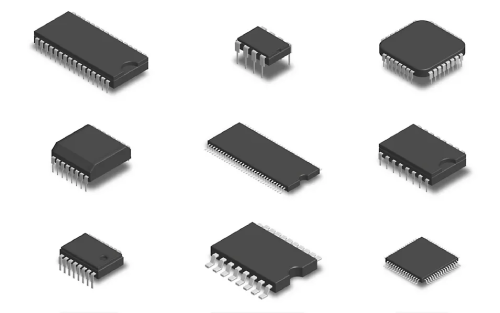
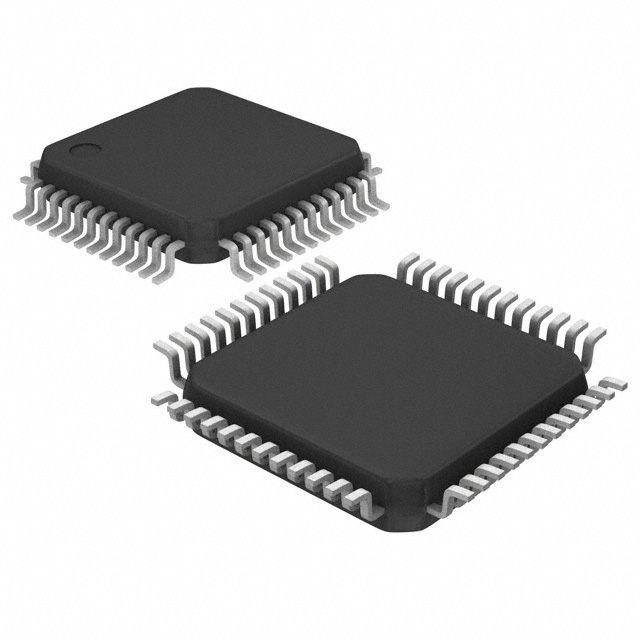
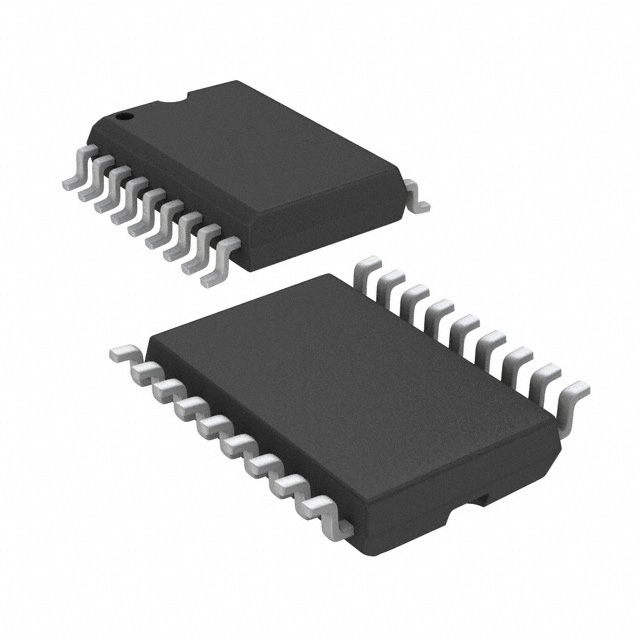
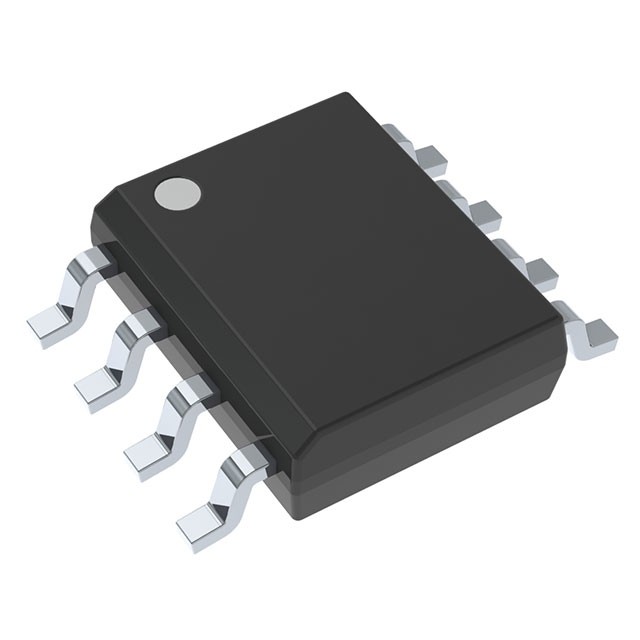
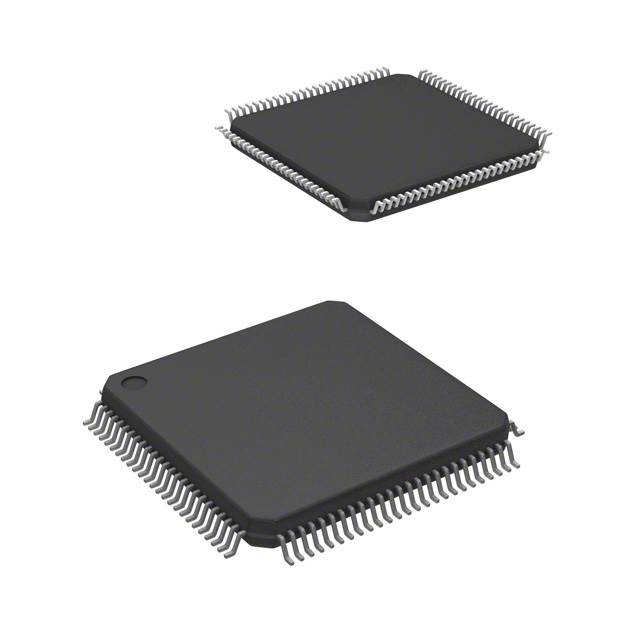
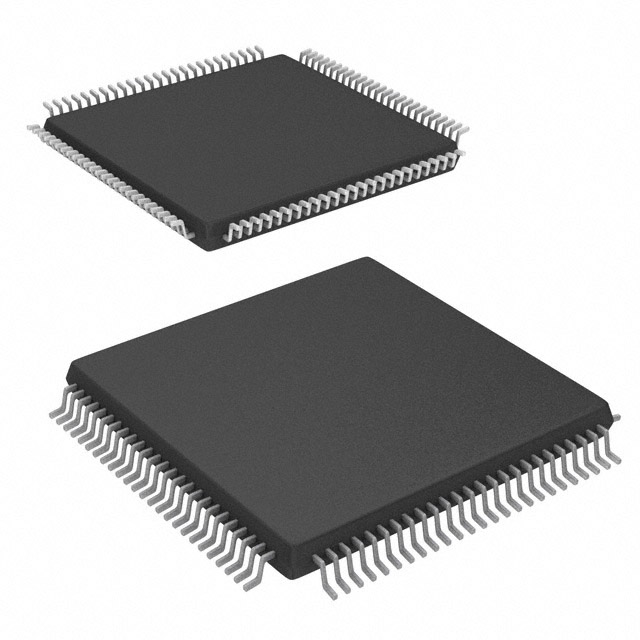
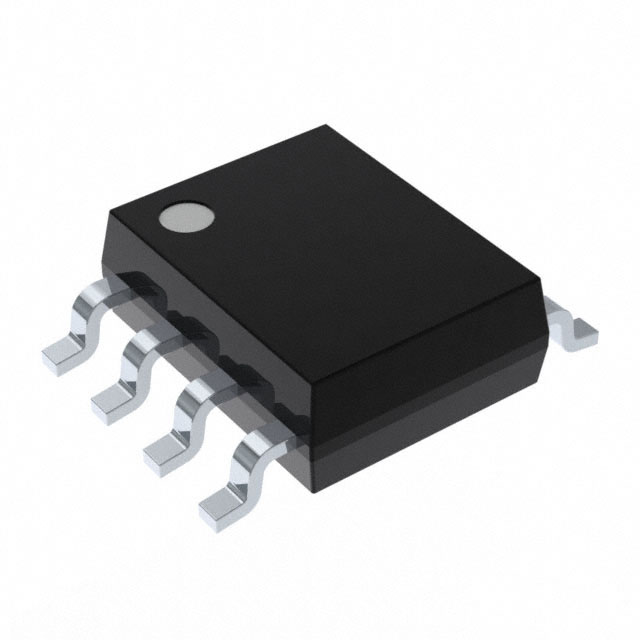
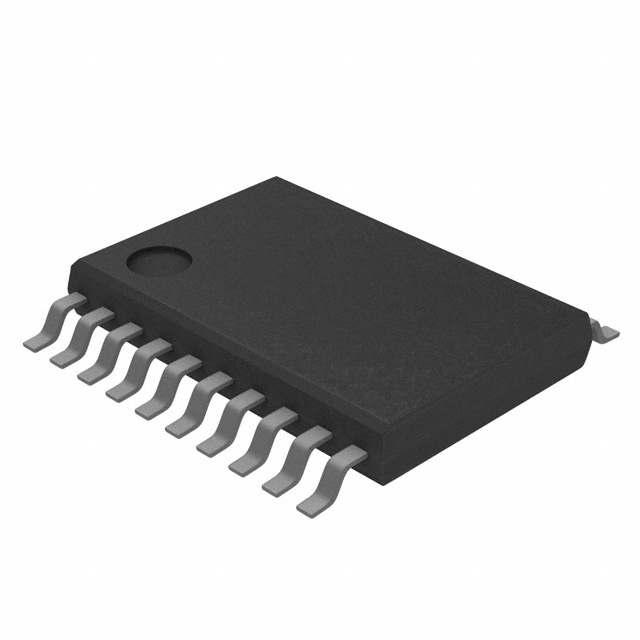
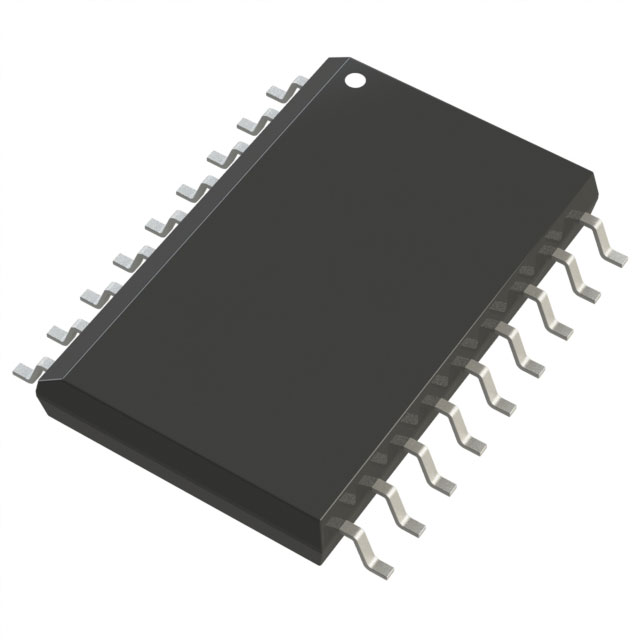
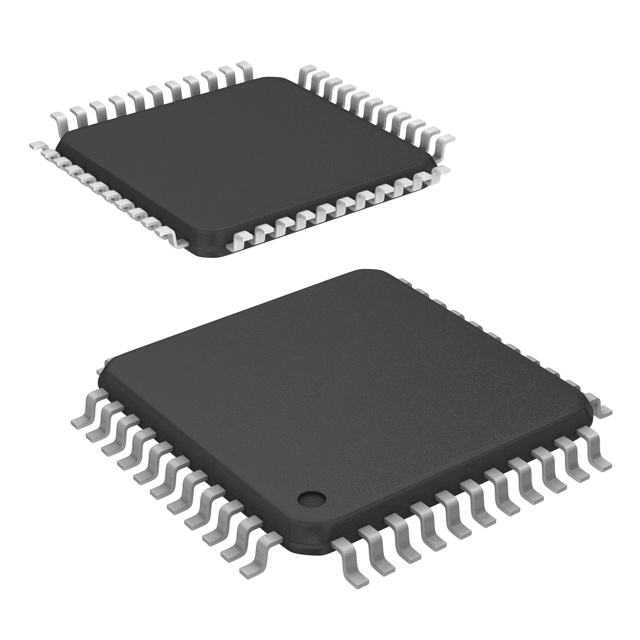
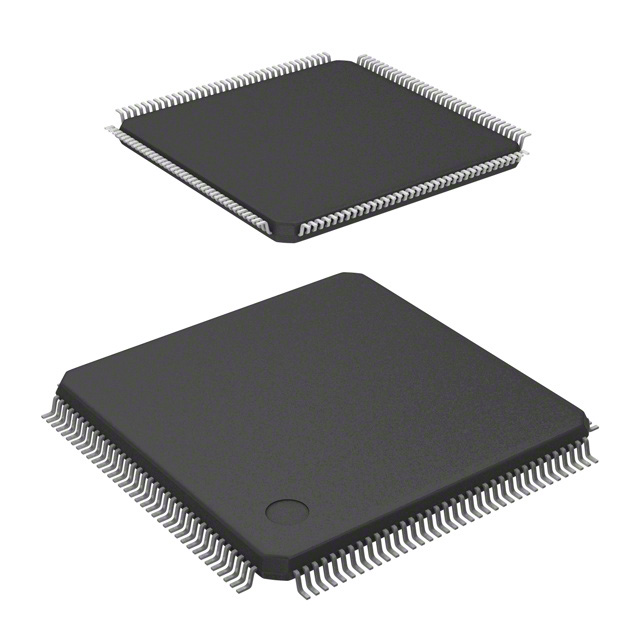
Integrated circuit (IC) chips—often referred to as microchips or simply ICs—are compact electronic circuits that have transformed modern technology. They contain interconnected transistors, resistors, capacitors, and other components built onto a tiny semiconductor surface. Thanks to ICs, electronic devices can be made smaller, faster, and far more efficient than ever before.
B. Why IC Chips Are Essential in Modern Electronics
IC chips play a vital role in today’s electronic systems and can be found in everything from computers and smartphones to home appliances and medical devices. Their value lies in their ability to perform a wide range of tasks, from basic data storage to executing complex software operations. Put simply, IC chips are everywhere—billions are produced each year to power the devices and technologies we rely on every day.
II. Types of Integrated Circuit Chips
Integrated circuit (IC) chips come in many forms, each designed to perform specific functions based on the needs of different electronic devices. Common types include:
A. Digital ICs
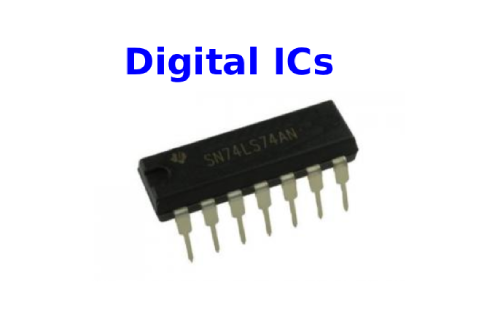
Digital ICs work using discrete voltage levels to represent binary values. They are widely used in devices such as computers, smartphones, and digital cameras to handle tasks like data processing, signal processing, and memory storage.
Digital ICs
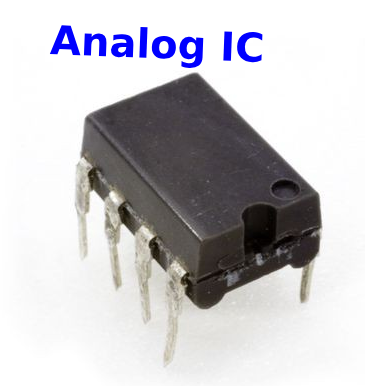
B. Analog ICs
Analog ICs process and manage real-world signals—such as sound, light, and temperature—by working with continuously changing voltages. Devices like power management circuits, sensors, and amplifiers rely on analog ICs to operate smoothly.
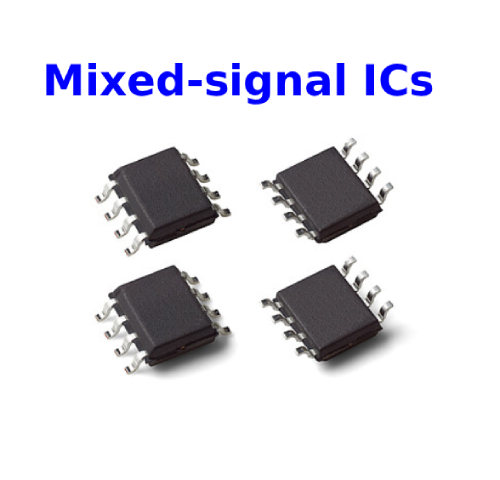
C. Mixed-Signal ICs
Mixed-signal ICs combine both digital and analog circuitry on a single chip. They are widely used in communication systems, automotive electronics, medical devices, and many other applications that require both analog and digital processing in one solution.
III. Principles Behind Integrated Circuit Chips
The design, functionality, and operation of integrated circuit (IC) chips are based on several core principles.
A. Semiconductor Technology
IC chips are created using processes such as photolithography, etching, and deposition on a tiny semiconductor substrate—most commonly silicon. This semiconductor base provides the platform for building the chip’s electronic components, including transistors, resistors, and capacitors.
B. Miniaturization
IC technology allows a large number of electronic components to be packed into a very small package, making modern devices lighter and more compact. Advances in semiconductor manufacturing enable more components to be placed on a single chip while reducing its overall size and weight, driving continuous improvements in miniaturization.
C. Digital and Analog Circuitry
Analog ICs handle continuously changing signals to process real-world inputs such as sound, light, and temperature. Digital ICs operate using discrete voltage levels to represent binary 0s and 1s for data processing. Mixed-signal ICs combine both analog and digital circuits on one chip, offering broader functionality and improved performance in complex applications.
D. Logic and Circuit Design
IC chips are engineered using various logic gates and circuit architectures to perform specific functions such as data processing, memory storage, and signal handling. The placement and design of components on the chip are carefully optimized to enhance performance and efficiency while minimizing heat generation and power consumption.
IV. Advantages and Disadvantages of Integrated Circuit Chips
A. Advantages
Compact Size
IC chips allow manufacturers to pack a large number of electronic components onto a tiny semiconductor surface. This not only saves space but also makes it possible to create lightweight, portable devices such as smartphones, tablets, and wearables.
Low Power Consumption
Thanks to advanced semiconductor processes and efficient design techniques, IC chips can perform complex functions while using very little power. This is especially important for battery-powered devices, where energy efficiency directly affects battery life and overall device longevity.
High Reliability and Durability
Modern IC chips offer reliable performance across a wide range of operating conditions, including extreme temperatures, mechanical stress, and electromagnetic interference. This reliability helps ensure stable device operation and reduces the risk of failures or malfunctions.
High Performance and Versatility
With continuous improvements in IC design and architecture, these chips can deliver impressive speed and efficiency. They can also be tailored or configured for specific applications, making them suitable for industries ranging from consumer electronics to medical technology to aerospace systems.
B. Disadvantages
Complexity
Designing and manufacturing integrated circuits can be expensive and technically demanding. Producing ICs requires highly specialized expertise, advanced tools, and sophisticated fabrication facilities.
Vulnerability to External Factors
IC chips can still be affected by external conditions such as electromagnetic interference, excessive heat, or moisture. Although modern ICs are built to withstand certain environmental stresses, prolonged exposure to harsh conditions can reduce their performance or reliability.
Limited Lifespan
Over time, the electrical components within a chip may degrade, leading to reduced functionality or eventual failure. This limitation can be a significant concern in applications where long-term reliability is critical, such as aerospace, automotive systems, or other mission-critical environments.
V. Applications of Integrated Circuit Chips
Thanks to their performance, efficiency, and flexibility, integrated circuit (IC) chips are used across a wide range of industries and applications.
A. Consumer Electronics
IC chips are fundamental to the operation of everyday consumer devices such as computers, televisions, gaming consoles, and smartphones. They handle tasks like data processing, audio and video processing, memory storage, and system control, making them indispensable components in modern electronics.
B. Automotive Industry
IC chips play a crucial role in modern vehicles, powering systems such as engine control units, safety features, infotainment systems, and navigation tools. They help improve vehicle efficiency, safety, and overall performance, contributing significantly to advances in automotive technology.
C. Medical Devices
Integrated circuits are used in a wide variety of medical equipment and devices, including insulin pumps, pacemakers, MRI scanners, and diagnostic imaging systems. These chips enable accurate monitoring, diagnosis, and treatment, ultimately improving patient care and outcomes.
D. Industrial Automation
IC chips are used extensively in robotics, sensors, motor control systems, programmable logic controllers (PLCs), and many other components within industrial automation systems. These chips help improve productivity, safety, and overall efficiency across industrial and manufacturing environments.
E. Communication Systems
IC chips play a crucial role in communication technologies such as the internet infrastructure, satellite systems, and cellular networks. They enable the processing, transmission, and reception of data and signals, supporting global connectivity and modern communication services.
VI. Conclusion
Integrated circuits (ICs) are a cornerstone of modern technology, enabling electronic devices that are faster, smaller, and more efficient. IC chips have transformed the way we live, work, and communicate. They are found in everything from consumer electronics and vehicles to medical devices, industrial automation, and communication systems.
Final Thoughts
Looking ahead, IC technology holds enormous potential. Advances in semiconductor design, manufacturing, and materials are expected to significantly enhance the performance, efficiency, and capabilities of integrated circuits. As emerging technologies like artificial intelligence, the Internet of Things (IoT), and quantum computing continue to grow, the demand for more powerful and energy-efficient ICs will increase—opening new opportunities for innovation and progress in this field.
Frequently Ask Questions
1. What is an Integrated Circuit (IC) chip?
An integrated circuit (IC) chip, also called a microchip, is a small electronic circuit made up of transistors, resistors, and capacitors built on a tiny piece of semiconductor material. These components are interconnected to perform specific electronic functions.
2. What are the types of Integrated Circuit (IC) chips?
IC chips come in several types, including:
- Digital ICs: Process binary (0 and 1) data.
- Analog ICs: Handle continuously varying signals.
- Mixed-signal ICs: Combine digital and analog circuits on a single chip.
- Special-purpose ICs: Such as ASICs, FPGAs, and microcontrollers, designed for specific tasks.
3. What are the advantages of IC chips?
IC chips offer several benefits:
- Compact size: Enables smaller, lighter electronic devices.
- Low power consumption: Ideal for battery-powered gadgets.
- High reliability and durability: Performs well under various conditions.
- High performance and versatility: Suitable for a wide range of applications.
4. What are the disadvantages of IC chips?
Some limitations include:
- Complexity: Requires specialized knowledge and equipment for design and fabrication.
- Sensitivity to external factors: Can be affected by heat, moisture, or electromagnetic interference.
- Limited lifespan: Electrical components may degrade over time, reducing functionality.
5. What are the applications of IC chips?
IC chips are used across numerous industries, including:
- Consumer electronics: Smartphones, computers, TVs, gaming consoles.
- Automotive industry: Engine control units, safety systems, infotainment.
- Medical devices: Pacemakers, MRI scanners, diagnostic equipment.
- Industrial automation: PLCs, robotics, motor control systems.
- Communication systems: Mobile networks, satellite systems, internet infrastructure.
6. What is the future of IC chip technology?
IC technology is expected to advance in performance, efficiency, and functionality. Emerging technologies like artificial intelligence (AI), the Internet of Things (IoT), and quantum computing are driving demand for more powerful and energy-efficient ICs, opening new opportunities for innovation and development in the field.
Related Articles

Christopher Anderson
Christopher Anderson has a Ph.D. in electrical engineering, focusing on power electronics. He’s been a Senior member of the IEEE Power Electronics Society since 2021. Right now, he works with the KPR Institute of Engineering and Technology in the U.S. He also writes detailed, top-notch articles about power electronics for business-to-business electronics platforms.
Subscribe to JMBom Electronics !