

 All Products


Guide to Neutral Earthing Resistor
 Dec 02, 2025
 1363
1363Catalog
What Is a Neutral Earthing Resistor?Purpose of a Neutral Earthing Resistor (NER)How Neutral Earthing Resistors WorkTypes of Neutral Earthing ResistorsDesign ConsiderationsApplications of Neutral Earthing ResistorsAdvantages of Using Neutral Earthing ResistorsConclusionFrequently Ask QuestionsRelated ArticlesWhat Is a Neutral Earthing Resistor?
A Neutral Earthing Resistor (NER) is a component used in electrical systems to limit the level of fault current that can flow from a generator or motor’s neutral point to earth. During a fault—such as a line-to-earth short circuit—the NER plays an essential role in maintaining the stability of the power network.
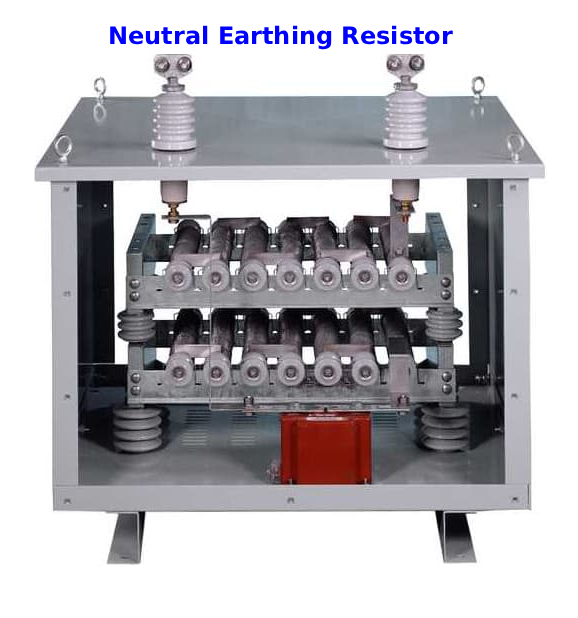
Neutral Earthing Resistor
By placing a resistor between the neutral point and earth, the NER helps keep fault currents at a controlled, manageable level. This improves safety and reduces the risk of damage to equipment. NERs are especially common in medium- and high-voltage systems, where direct earthing would allow dangerously high fault currents that could harm the system and put both equipment and personnel at risk.
Purpose of a Neutral Earthing Resistor (NER)
- Limiting Fault Current: An NER helps reduce the level of short-circuit current during an earth fault. By doing so, it protects equipment such as transformers, generators, switchgear, and insulation from damaging overcurrents.
- Controlling Overvoltages: It helps prevent temporary overvoltages caused by leakage faults, which could otherwise lead to insulation breakdown.
- Improving Protection Coordination: By keeping fault currents within a controlled range, an NER makes relay protection more accurate and effective. This improves fault detection and helps isolate problems more quickly.
- Minimising Equipment Damage: By limiting the energy released during an earth fault, the NER reduces the severity of the fault and helps prevent serious equipment damage.
How Neutral Earthing Resistors Work
A Neutral Earthing Resistor (NER) functions by connecting the neutral point of a generator or motor to earth through a resistor. This resistor limits the maximum fault current that can flow to ground during an earth fault, helping to protect the system.
Current Limitation During Faults:
When an earth fault occurs, the NER restricts the fault current by adding resistance to the circuit. This controlled level of current prevents high fault currents from causing serious damage to electrical equipment or infrastructure.
Fault Detection and Isolation:
As the fault current flows through the resistor, it creates a measurable voltage drop across the NER. This voltage drop helps protective devices detect the fault, identify its location, and isolate the affected part of the system, improving overall system safety.
System Protection and Safety:
By keeping fault currents within safe limits, the NER reduces the risk of electrical fires and protects equipment from severe damage. This helps maintain the reliability and integrity of the electrical network.
Configuration and Operation:
NERs are selected and configured according to the system’s voltage level and expected fault current. They operate continuously, ensuring safe current levels under normal conditions and providing effective fault control without disrupting the wider power system.
Types of Neutral Earthing Resistors
- Low-Resistance Earthing Resistors: These resistors limit fault currents to relatively low levels, offering protection in medium-voltage networks. They are typically designed for short-duration operation. By preventing excessive fault currents and overvoltage conditions, they help ensure the reliable performance of relay protection systems.
- High-Resistance Earthing Resistors: High-resistance grounding is used in low-voltage systems to control flashover voltages and keep fault currents to a safe, acceptable level. This reduces the likelihood of short circuits and overvoltages, helping maintain system stability and operational safety during faults.
- Permanently Connected Earthing Resistors: These resistors remain continuously connected to the neutral point, providing constant protection against earth faults. They help maintain consistent system impedance and are commonly used in industrial environments with sensitive or critical equipment.
- Temporarily Connected Earthing Resistors: These resistors are connected only when a fault occurs and are disconnected once the fault is cleared. They offer effective fault-current reduction in systems where earth faults are rare, protecting equipment without remaining in the circuit full-time.
- Portable Earthing Resistors: Portable NERs are mobile, temporary solutions ideal for maintenance work, testing, or temporary power installations where a fixed resistor is impractical. They provide flexible, reliable grounding protection as needed.
Design Considerations
- Resistance Value: The resistance value of an NER is selected according to the required fault current level. Depending on the system, this can range from just a few ohms to several hundred ohms.
- Power Rating: The NER must be able to safely dissipate the energy produced during a fault. This may involve handling short-duration faults lasting only a few seconds, or longer, more sustained fault conditions.
- Enclosure and Protection: NERs are typically housed in weatherproof, robust enclosures, and in hazardous environments they are often designed to be explosion-proof to ensure safe and reliable operation.
Applications of Neutral Earthing Resistors
Neutral Earthing Resistors are widely used across various electrical and industrial environments, including:
- Power generation stations
- Distribution networks
- Industrial plants and factories
- Renewable energy systems
- Electrical substations
- Motors and drive systems
- Railway electrification
- Oil and gas platforms
- Mining operations
- Marine vessels
- Battery Energy Storage Systems (BESS)
- HVAC systems
- Data centres
- Hospitals
- Building automation systems
Advantages of Using Neutral Earthing Resistors
Neutral Earthing Resistors (NERs) provide numerous benefits in electrical power systems, especially when it comes to controlling fault conditions and improving overall system performance:
- Controlled Fault Currents
- Enhanced Safety
- Improved System Stability
- Protection of Critical Equipment
- Reduced Arc-Flash Risk
- Minimised Damage During Earth Faults
- Cost-Effective Fault Management
- Better Ground-Fault Detection
- Compliance with Industry Standards
Conclusion
Neutral Earthing Resistors are a vital component of modern electrical systems, providing essential protection against the harmful effects of earth faults. By limiting fault currents, they help improve the reliability and safety of the electrical network, reducing the risk of fires, power outages, and equipment damage.
With various types available, NERs can be tailored to suit a wide range of applications across industrial, commercial, and service environments. Their role in maintaining system stability and safeguarding critical equipment makes them indispensable in many modern power systems.
Frequently Ask Questions
What is a Neutral Earthing Resistor?
A Neutral Earthing Resistor (NER) is a device used to limit earth-fault current by connecting the neutral point of a transformer or generator to earth through a resistor. By controlling fault-current levels, it helps protect equipment and supports safer system operation.
How Does a Neutral Earthing Resistor Work?
An NER works by linking the neutral point of a generator or motor to earth through a resistor. During an earth fault, the resistor restricts the amount of fault current flowing to ground, helping to protect the system from damage.
What is a Neutral Earthing Resistor Used For?
NERs are used in electrical systems to limit earth-fault currents. By grounding the neutral point through a resistor, they help safeguard equipment and keep fault-current levels under control.
What Is the Function of a Neutral Earthing Resistor?
The main purpose of an NER is to control fault currents during earth-fault conditions. By grounding the transformer or generator neutral through a resistor, it helps identify faults, enhances protection, and improves equipment safety.
How Do You Select the Right Neutral Earthing Resistor?
Selection depends on several factors, including system voltage, the required fault-current limit, and the type of equipment involved. It is best to consult a qualified electrical engineer to determine the correct resistance value for your system.
What Are the Benefits of Using a Neutral Earthing Resistor?
Key benefits include lower short-circuit currents, reduced step and touch potentials for improved safety, better equipment protection, and increased overall system reliability.
What Are Common Issues with Neutral Earthing Resistors?
Typical issues include overheating, deterioration of the resistor over time, incorrect sizing, improper installation, and failure to limit fault currents effectively.
How Often Should a Neutral Earthing Resistor Be Inspected or Maintained?
Regular inspections are essential. Depending on operating conditions, manufacturers generally recommend checking NERs once or twice a year to ensure they remain in proper working order.
Can a Neutral Earthing Resistor Be Used in All Power Systems?
While NERs are widely used, they are not required in every electrical system—especially in networks that rely on other fault-management methods or current-limiting technologies.
What Are the Safety Considerations When Installing or Maintaining an NER?
Always follow established safety guidelines. Ensure the equipment is correctly insulated, use appropriate personal protective equipment (PPE), and work only with qualified professionals to avoid electrical hazards.
Related Articles

Amanda Miller
Amanda Miller is a senior electronics engineer with 6 years of experience. She focuses on studying resistors, transistors, and package design in detail. Her deep knowledge helps her bring innovation and high standards to the electronics industry.
Subscribe to JMBom Electronics !